
Build and Crush Crate Plants Farming Guide
Grow, harvest, and optimize plant boxes for rare physics parts.
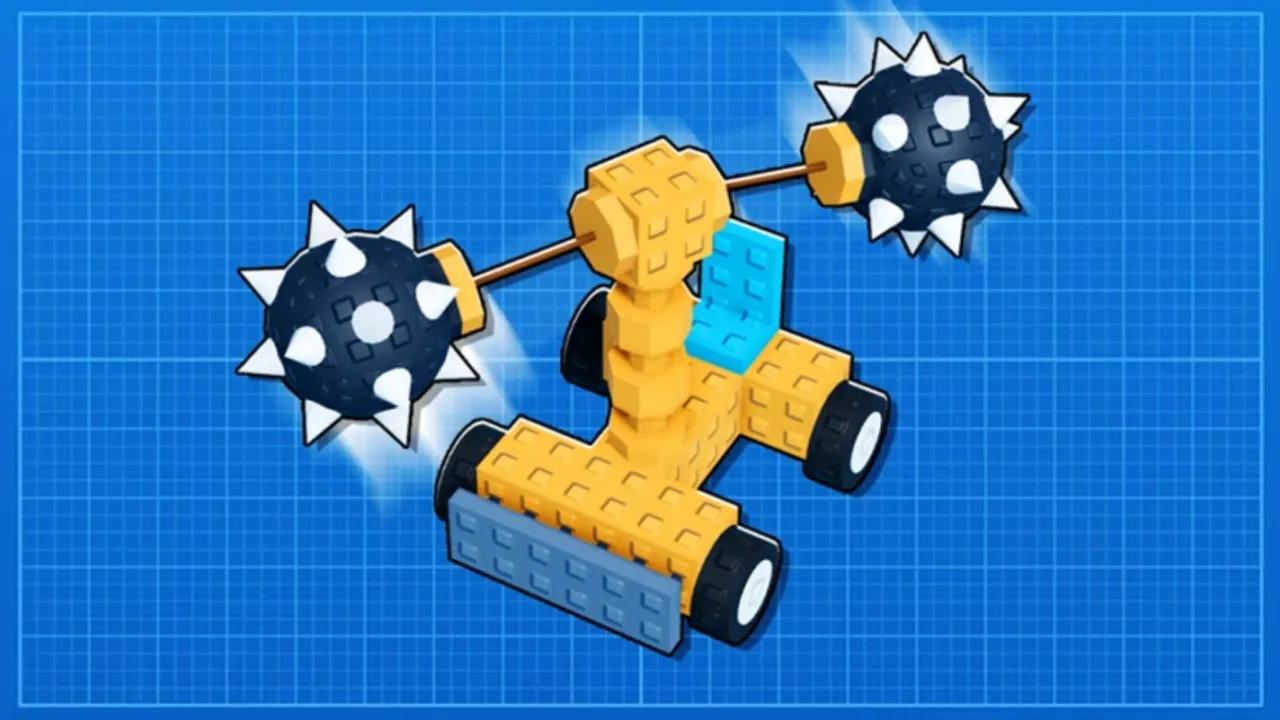
Crate plants are Build and Crush’s long-term loot engine. While Destroy the Map pays you for active demolition, plant boxes grow passive crates filled with physics parts, materials, and occasionally rare tiers you cannot buy from a basic vendor. Unsquared added farming so progression is not purely skill-based crushing — players who log in regularly still advance even on quiet days.
Crate drops tie directly into Garage Research: research unlocks part categories, plants supply the inventory. Ignore either system and your garage stagnates. Read Getting Started for when to plant your first box, then return here for optimization.
What crate plants are
A crate plant is a placed grow station (often a box or planter plot in your hub). You seed it, wait through one or more growth stages, then harvest to roll loot. Visual size usually scales with growth time — bigger plants hint at better drop tables, though RNG still applies.
Harvested crates go to your inventory or open automatically depending on UI version. Contents vary by:
- Plant size at harvest
- Luck modifiers from research, codes, or boosts
- Unlocked research tiers — you cannot drop T4 parts if the branch is locked
- Event tables during limited-time updates
How to start farming (step by step)
- Unlock the plant system — usually available early; follow tutorial prompts or visit the farm zone marker.
- Place your first box — start one cycle before your first serious map run so timers run in parallel.
- Harvest on time — overgrown or neglected plants may cap size or waste slots (exact rules vary by patch).
- Spend or store parts — sell duplicates for research currency if the game offers scrapping.
- Replant immediately — empty plots earn nothing; chain cycles every session.
Controls for planting and harvesting use standard interact prompts — see Controls if prompts fail on mobile.
Luck optimization
Luck shifts drop tables toward higher rarities. Sources typically include:
- Garage Research nodes labeled luck or harvest quality
- Codes from our Codes page during events
- Temporary boosts from Robux items or event buffs when available
Luck does not help if you never harvest — chain active crushing with background plants so timers always tick. A common routine: harvest → replant → launch a crush build → return before logout.
Do not hoard luck boosts for “someday” unless an event announcement confirms a new loot table. Early access events arrive unannounced in small patches.
Size optimization
Size usually increases with grow duration and optional watering or fertilizer mechanics when Unsquared enables them. Larger plants cost more time but pull from better tables.
Practical approach for early access:
| Session length | Strategy |
|---|---|
| Under 20 minutes | Small/fast plants — frequent harvests |
| 1 hour | Medium growth — balance luck procs and size tier |
| AFK / overnight | Max size plots if the game allows offline growth; verify patch notes |
Running multiple boxes beats maxing one plot if slot limits allow. Parallel timers multiply rolls per real-world day.
Rare parts and research synergy
Rare drops mean little without matching Garage Research unlocks. Before farming overnight for a “legendary drill,” confirm the drill branch is unlocked — otherwise you roll substitutes or materials.
Cross-reference strong drops with Best Builds and the Tier List so you keep useful pieces instead of filling storage with meme blocks.
When you lack a key part after many harvests, consider a targeted Blueprints purchase that includes the component, then return to farming duplicates for research materials.
Layout and hub planning
Place plant boxes near your garage exit so you never forget a harvest before joining Destroy the Map runs. Keep walking paths clear — avatar collision slows routine farming on busy eight-player servers.
If the hub allows decoration, do not block interact prompts with oversized builds. Early access plots are smaller than they look in thumbnail screenshots.
Multiplayer and server behavior
Farming plots are generally per-player or instanced rather than contested world resources — you are not racing others for a shared wheat field. However, server lag during peak hours can delay interact prompts. Switch instances if harvesting fails repeatedly.
Advanced tips for early access
- Log in twice daily — morning harvest + evening replant beats one long session.
- Track duplicate counts — scrap extras before research costs spike.
- Pair with codes — redeem on Codes before opening high-luck harvests when events stack boosts.
- Watch updates — Unsquared adjusts drop tables; stale wiki numbers may drift until we patch notes in Updates.
Related guides
- Garage Research — unlocks drop pools
- How to Play — loop placement
- Best Builds — which parts to chase
- Blueprints — buy missing pieces
- Getting Started — first plant timing
Frequently Asked Questions
Quick answers to the most common questions.
What do crate plants drop in Build and Crush?
They drop crates containing physics parts, crafting materials, and currency items. Rare tiers appear more often with higher luck, larger plant size, and unlocked Garage Research branches.
How long do crate plants take to grow?
Timers vary by size tier and patch balance. Small plants finish faster; max-size plants take longer but use better loot tables. Check in-game tooltips after updates.
Should I upgrade luck or size first?
Unlock basic luck nodes early for better rolls, then add a second plant box before chasing maximum size. Two parallel timers usually beat one oversized plant in early access.
Can crate plants grow while I am offline?
Many Roblox farming systems continue timers while away, but verify in the current patch notes — early access rules change. Always harvest before long absences if decay exists.
Why am I getting duplicate low-tier parts?
Your research unlocks may be too low for rare tables, or luck is minimal. Push Garage Research tiers, stack luck boosts, and grow larger plants before expecting T3–T4 drops.