
Build and Crush Parts & Crates Tier List
Which drops are worth farming, planting, and slotting into your next crusher build.
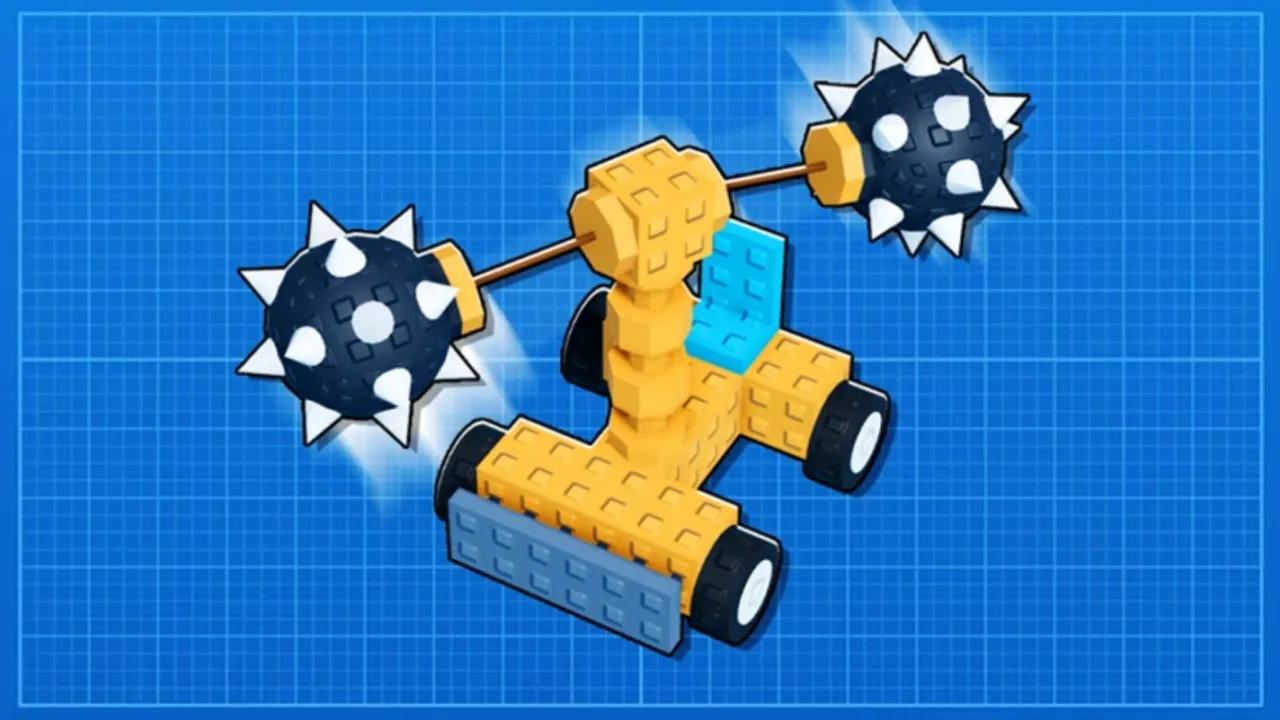
Not every part in Build and Crush earns a permanent spot in your garage. Some crates pay for themselves within a single harvest cycle; others look flashy until you realize they cannot break reinforced map tiles or survive a co-op crush session. This tier list ranks parts and crates from S to F so you know what to chase through crate plants, what to sell, and what to pair with the unlocks from our Garage Research tier list.
Rankings weigh destruction output, part rarity, crate return on investment, and build versatility. A sweeper that clears rubble in seconds ranks higher than a decorative block that never touches the map. When two items tie, the one that appears in more best builds wins.
How we rank parts and crates
S tier items define the current meta. They either drop from the rarest sources or scale so well that skipping them slows progression for days.
A tier picks are excellent and often easier to farm than S-tier gear. Most players should aim here before chasing godly odds.
B tier parts are solid fillers—good on budget crushers or while you wait for research unlocks.
C tier and below are starter-tier or novelty drops. Keep a few for experiments, but do not rebuild your garage around them.
S tier — Godly crates and top harvests
Godly crates sit alone at the top. Planted at max research with boosted soil, they yield the highest-value parts in the game: oversized wheels, reinforced joints, and weaponized attachments that turn a hobby build into a map-clearing machine. If you can only maintain one premium plant slot, dedicate it to godly seeds until your inventory stabilizes.
Godly sweepers and godly drillers from those crates also land here. Sweepers excel at wide-area contact damage—ideal when the server votes on a demolition target and everyone piles in. Drillers punch through dense geometry that blocks smaller parts. Together they form the backbone of late-game best builds focused on speed and structural breach.
A tier — R2 crates and strong purple chests
R2 crates are the workhorse premium drop. They cost less time to mature than godly plants but still output parts strong enough for ranked crushing. R2 drillers in particular bridge the gap between mid-game frustration and late-game efficiency: same rotation concept as godly variants, slightly lower torque, far better availability.
The upper purple chest tier—deep violet crates with the pulsing rim glow—belongs here too. Their loot tables skew toward mobility and weight distribution parts that make tall builds stable. If you are comparing plant schedules, see the farming priorities in our crate plants guide.
B tier — Mid purple chests and hybrid parts
Standard purple chests (lighter shade, no animated rim) produce respectable mid-tier sweepers, pistons, and armor plates. They are worth opening when R2 seeds are on cooldown, but rarely worth rebuying from the vendor unless you need a specific shape for a blueprint import.
Hybrid attachments—combo pieces that both roll and grind—fit B tier because they jack-of-all-trades well but master none. Use them while experimenting; swap out once you know your crush style.
C tier — Common crate filler
Green and blue common crates from early quests fill inventory fast with starter-adjacent parts: basic cubes, small wheels, short pistons. None are bad for the first hour, but they fall off once Garage Research unlocks heavier categories. Open commons for crafting scraps, not for endgame planning.
D tier — Early starter parts
Starter parts from the tutorial chest—plain blocks, training wheels, the starter sweeper arm—get you moving but should be replaced immediately after your first successful plant harvest. Keeping them “for nostalgia” wastes build limit weight.
F tier — Sell or recycle
Cosmetic-only variants, duplicate starter duplicates, and broken prototype pieces from deprecated test crates belong in F tier. Vendor them for research currency rather than hoarding.
Crate vs part priority summary
| Tier | Crates / sources | Standout parts |
|---|---|---|
| S | Godly crates | Godly sweepers, godly drillers |
| A | R2 crates, elite purple chests | R2 drillers, reinforced plates |
| B | Standard purple chests | Mid sweepers, hybrid movers |
| C | Common crates | Filler pistons, small wheels |
| D | Tutorial / starter | Starter blocks and arms |
| F | Deprecated / cosmetic | Duplicates, junk variants |
Putting the list into practice
Start by aligning crate plants with the Garage Research tier list so you unlock the soil tiers needed for R2 and godly seeds. Then blueprint a crusher using at least one A-tier or S-tier contact weapon before joining public servers—players vote on builds, and underpowered designs rarely win.
Revisit this page after major patches. Unsquared adjusts drop tables during early access, and a B-tier sweeper today could jump to A tomorrow.
Frequently Asked Questions
Quick answers to the most common questions.
What is the best crate to plant first?
Focus on upgraded common and purple chest plants until Garage Research unlocks R2 soil. Once R2 is available, split slots between R2 and one long-term godly plant rather than over-investing in starter crates.
Are godly sweepers worth the farm time?
Yes for players who join public crush sessions regularly. Godly sweepers clear wide map sections faster than any lower tier, which translates to more rewards per vote cycle and faster research income.
Should I keep starter parts after unlocking R2?
Keep one set for tutorial-style experiments if you want, but strip starter parts from competitive builds. Their low mass and durability become a liability once maps spawn reinforced tiles.
How do drillers compare to sweepers?
Drillers focus single-target penetration—best for breaking supports and thick walls. Sweepers favor area damage along surfaces. Most S-tier garages run at least one of each.
Does this tier list include blueprint purchases?
This list ranks native crate drops. Purchased blueprints can include any tier, but knowing base part value helps you judge whether a trending blueprint is fairly priced.